The LEED Legacy and Its Limitations
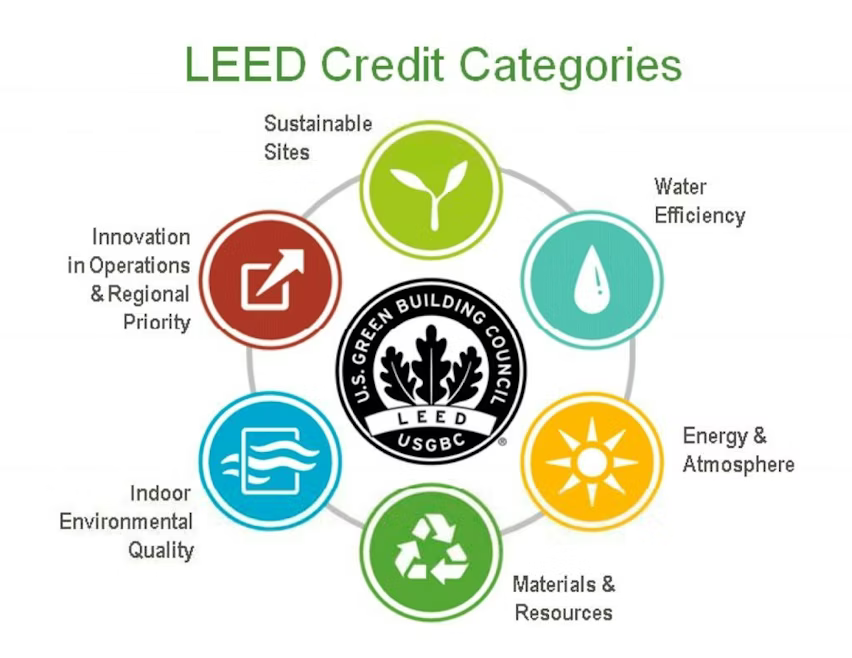
LEED certification revolutionized green building when it launched in 1998, creating a common language for sustainable design and pushing the industry toward better practices. It gave clients tangible metrics and architects clear targets.
But nearly three decades later, we're seeing its limitations. LEED was designed for an era when simply being "less bad" was progress. Today, with carbon budgets rapidly depleting, we need buildings that are regenerative—not just efficient, but actively beneficial to ecosystems and communities.
The points-based system can encourage optimization for certification rather than genuine performance. A building can achieve LEED Gold while still consuming significant energy or creating uncomfortable spaces. We need frameworks that measure actual outcomes, not predicted ones.
Living Building Challenge: Raising the Bar
The Living Building Challenge represents the next generation of sustainability standards. Instead of predictive modeling, it requires 12 months of actual performance data. Your building must prove it can operate as a net-positive contributor to its environment.
The framework is organized around seven "petals": Place, Water, Energy, Health & Happiness, Materials, Equity, and Beauty. Each addresses not just environmental impact but social equity and human experience. It acknowledges that truly sustainable buildings must serve both people and planet.
What makes LBC radical is its absolute requirements. Net-positive energy isn't optional—it's mandatory. No red-list materials containing harmful chemicals. All water must be captured and treated on-site. These aren't aspirational goals; they're prerequisites for certification.
Regenerative Design: Healing Through Architecture
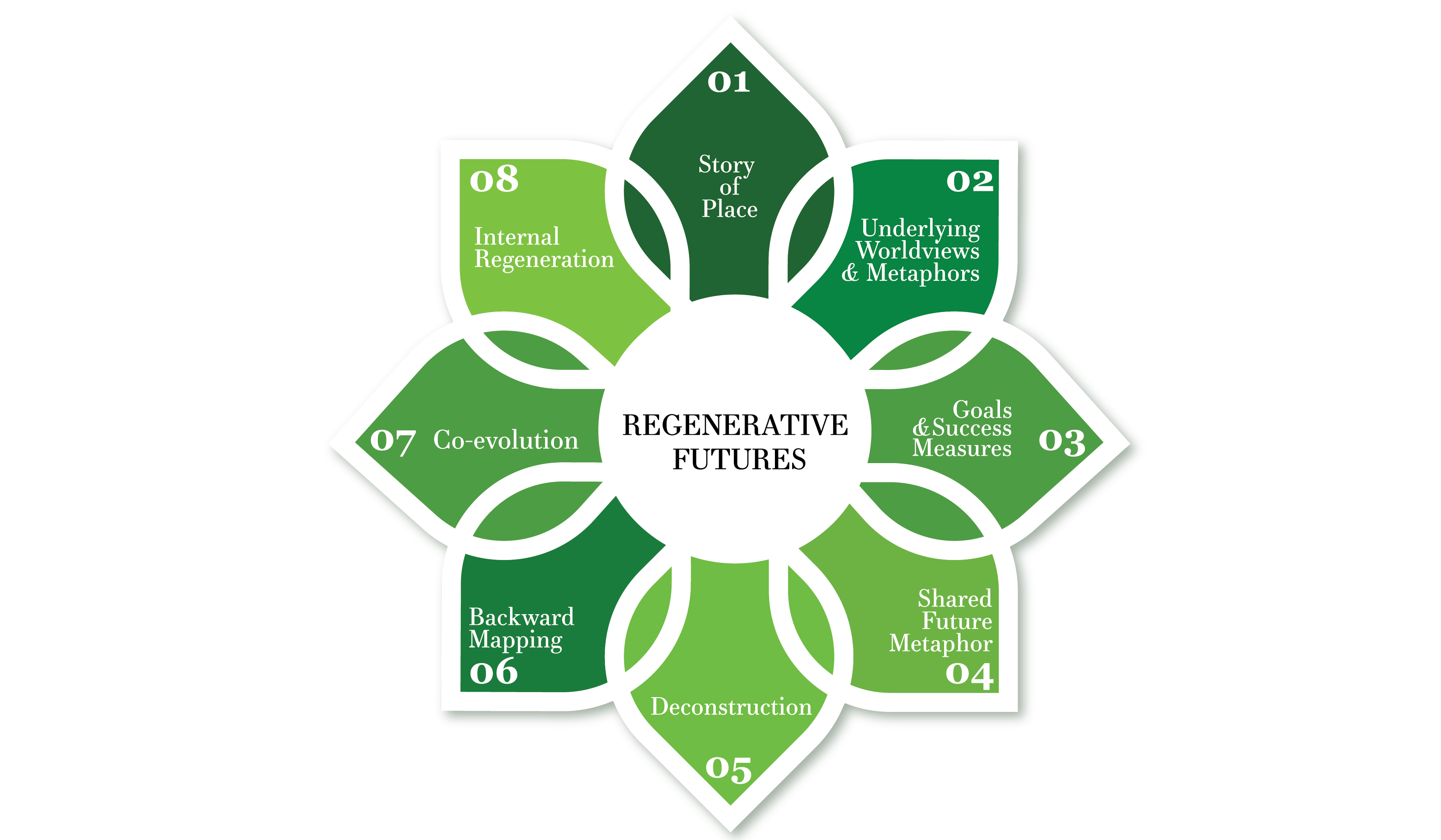
Regenerative design goes beyond sustainability's goal of neutral impact. It asks: can our buildings actually improve ecosystems? Can they restore biodiversity, clean water, sequester carbon, and create richer habitats than existed before construction?
This approach requires deep site analysis and ecological literacy. Before designing, we must understand the site's hydrology, native species, soil conditions, and historical ecology. The building becomes an intervention that enhances these natural systems rather than disrupting them.
Examples include bioswales that filter stormwater while creating wildlife corridors, green roofs that provide habitat and reduce heat island effects, and facades that support native pollinators. The building's skin becomes an active ecosystem interface, not a barrier between inside and out.
Embodied Carbon: The Hidden Crisis
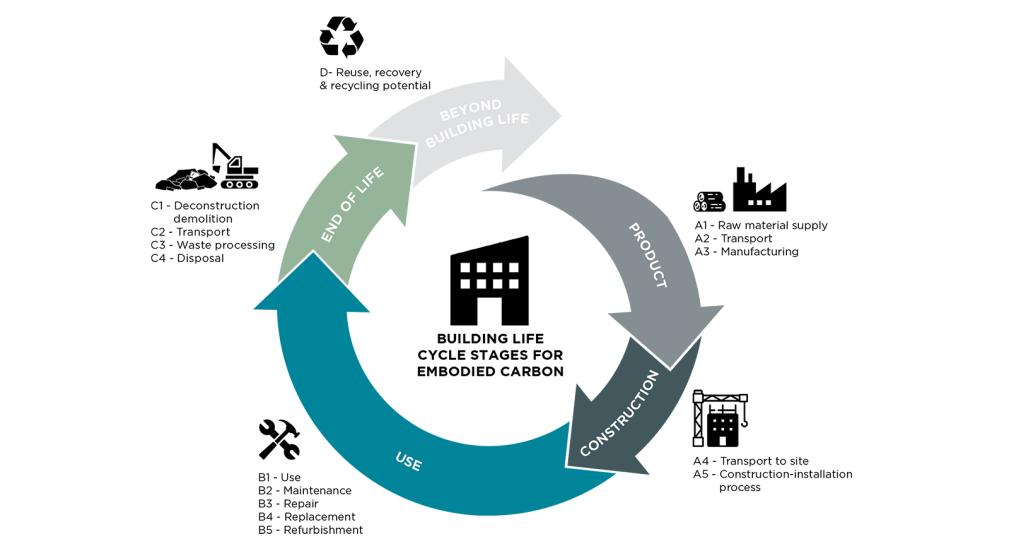
While operational energy has dominated green building discussions, embodied carbon—the emissions from manufacturing, transporting, and installing building materials—represents 11% of global CO2 emissions and is often overlooked in traditional certifications.
With operational energy improving through better envelopes and renewable energy, embodied carbon's relative impact grows. For some buildings, particularly those with optimized operations, embodied emissions exceed operational emissions over the building's lifetime.
Addressing this requires rethinking material choices. Mass timber instead of concrete and steel. Salvaged materials over new. Local sourcing to reduce transportation. Design for disassembly so materials can be reused rather than landfilled. Tools like Tally and One Click LCA now let us quantify these impacts during design, not after construction.
Circular Economy in Architecture
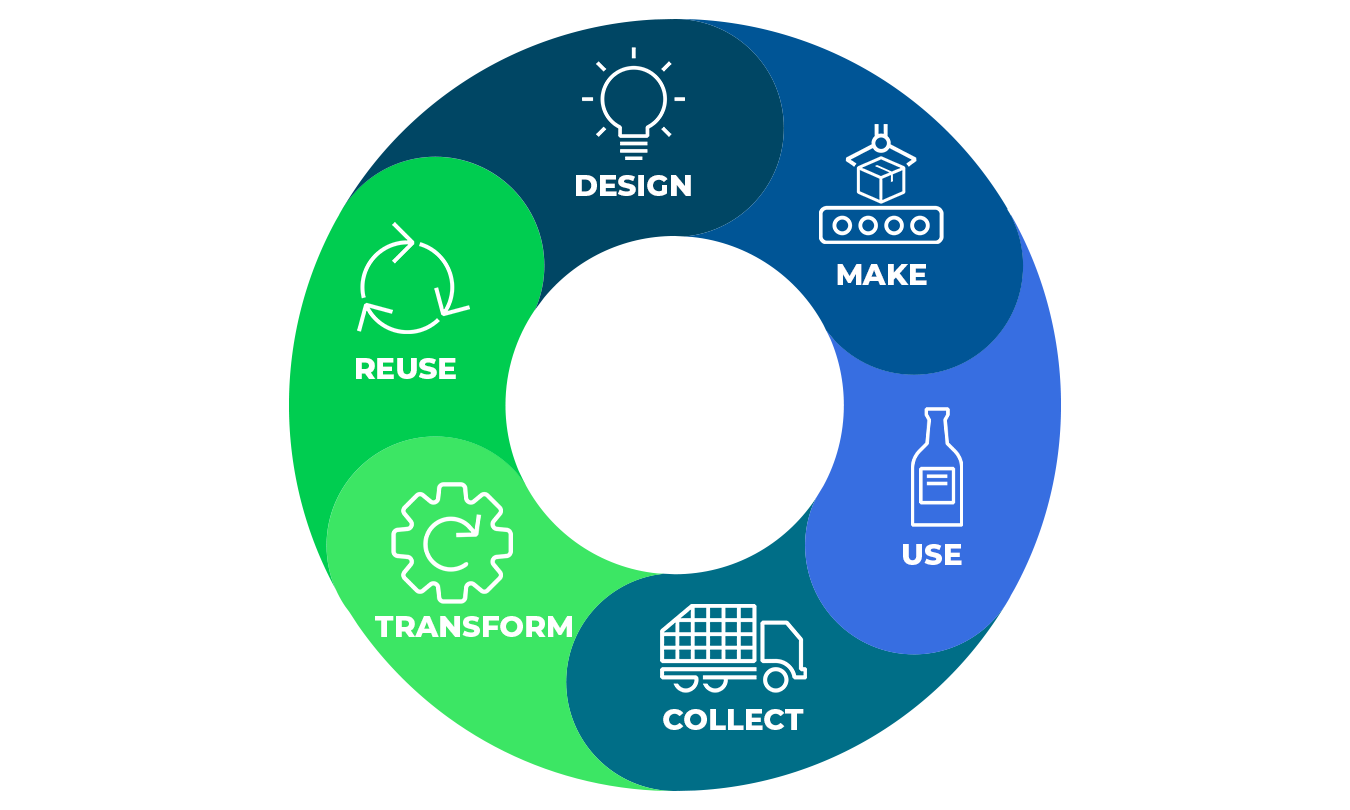
The circular economy framework challenges architecture's traditional linear model: extract resources, build, demolish, landfill. Instead, buildings become material banks, with components designed for eventual reuse or biological return.
This demands new thinking about connections and assembly. Mechanical fasteners instead of adhesives. Modular components instead of monolithic systems. Material passports that document every element's composition and disassembly instructions for future renovation.
Forward-thinking developers now see buildings as depreciating structures housing appreciating material inventories. The facade panels you install today might be worth more in 30 years when material scarcity increases. Design for disassembly isn't just environmental responsibility—it's smart economics.
Data-Driven Performance: Real-Time Sustainability
The future of sustainable architecture is responsive and adaptive. Buildings equipped with comprehensive sensor networks can continuously monitor and optimize their performance, learning from occupant behavior and environmental conditions.
Machine learning algorithms analyze patterns in energy use, indoor air quality, thermal comfort, and daylighting. They predict occupancy and adjust systems preemptively. They identify anomalies that indicate equipment failures before they become expensive problems.
This creates a feedback loop between design intent and actual performance. We can validate our computational simulations against real data, improving our models for future projects. Architecture becomes iterative and evidence-based, moving from static objects to living, learning systems.